
Seal first, then insulate
Insulation slows heat; it doesn't stop air. Warm air escaping through gaps at the top of the house pulls cold air in at the bottom. That's why we air seal before we add insulation, and why our blower door numbers come before and after the job.
Where we work
- Attics: sealing top plates, chimney chases, and light fixtures, then blown-in insulation to current levels
- Walls: dense-pack insulation in empty wall cavities, common in older Western New York homes
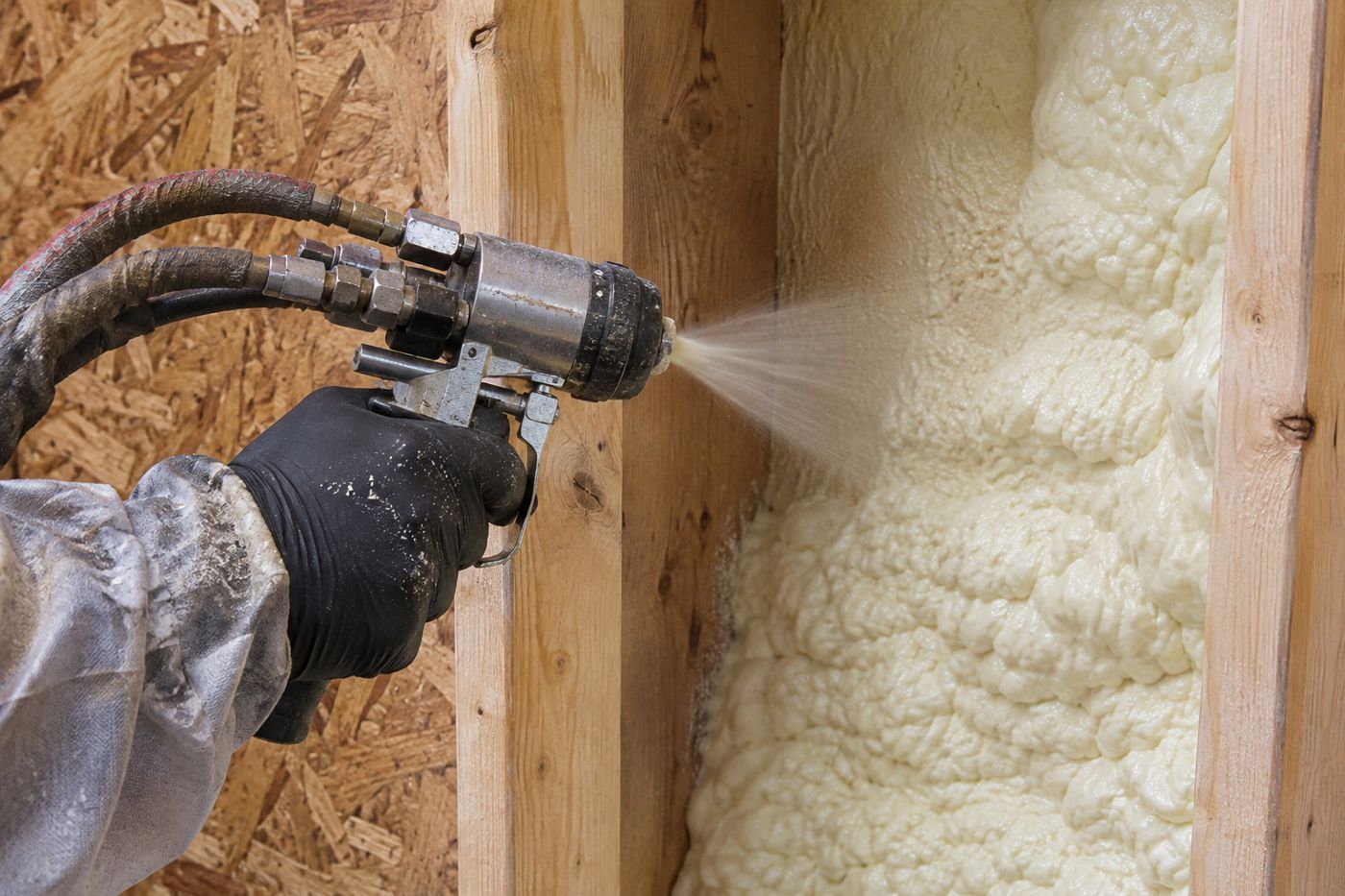
- Basements and rim joists: spray foam where the house meets the foundation
- Crawlspaces: sealing and insulating to keep floors above them warm
Signs that your home needs better insulation
- Rooms that never get warm, especially upstairs
- Ice dams or long icicles along the eaves
- Drafts around outlets, baseboards, and attic hatches
- Heating bills that keep climbing